How to Inspect Lifting Chains for Safety Compliance
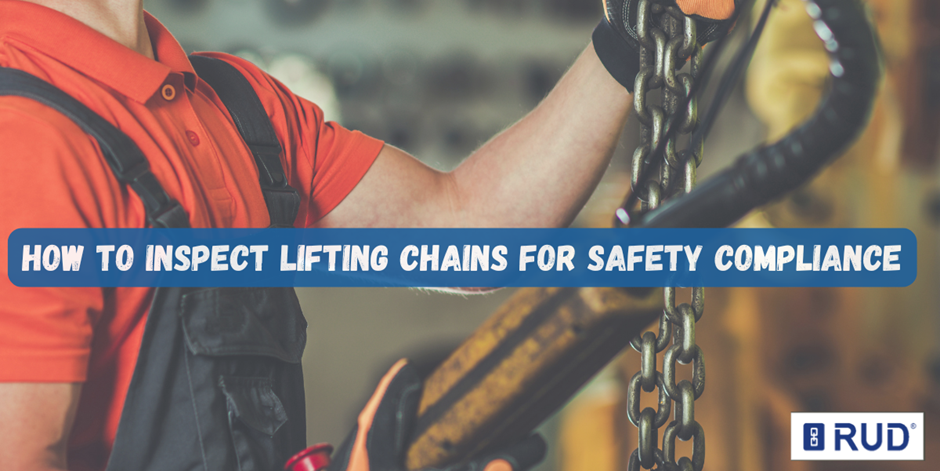
Ever wonder what happens when a lifting chain snaps mid-operation?
Recent data shows that crane accidents kill around 42 workers each year, and faulty equipment plays a big part in these tragedies. Most of these tragedies could have been prevented with proper chain inspections.
At RUD Chains, we’ve supplied lifting solutions to mining, defence, and construction industries for over four decades. Our Grade 120 chains undergo rigorous testing to meet Australia’s highest safety standards, which ensures they deliver maximum strength and reliability.
These chains work hard every day. But even though they seem strong, regular use and harsh conditions slowly weaken them. Often, the damage isn’t obvious until it’s too late.
That’s why we put together this guide. We want to show you a simple inspection routine that catches problems before they turn dangerous.
First, let’s talk about what parts need checking and what warning signs to watch for.
What to Check and When: Chain Inspection Essentials
We’ll know from experience that spending five minutes on a proper inspection beats spending hours dealing with an accident. Your safety officer will also thank you for staying on top of things.
So what exactly should you be looking for during your chain checks? Here are the main warning signs:
- Surface wear or nicks: Your hands are your best tools here. Run them slowly along each link and feel for any rough spots or grooves that weren’t there when the chain was new. If it feels like sandpaper or looks like it’s been dragged through gravel, that’s your cue to replace it.
- Deformation: Twisted or bent links are trouble waiting to happen. Make sure all links sit correctly and move freely against each other. Problems here usually show the chain was stressed before and may no longer handle its rated load.
- Corrosion: Rust and chemical damage can weaken chains fast. So, look for any pitting, stains, or holes in the metal. A bit of surface rust after cleaning might be fine, but deep pits mean the chain has lost its strength.
- Manufacturer markings: You need to read those grade numbers and weight limits clearly. When these fade away, it makes inspectors nervous. Plus, how else do you know you’re using the right chain?
- Signs of overloading or heat damage: Colour changes tell you everything you need to know about heat exposure. We’ve made this easy to spot: if our pink chains turn beige or black, it means the metal got too hot and lost its strength.
But how often should you do these checks?
Australian standards make it pretty straightforward. Give your chains a quick look before every lift, then do detailed inspections based on how much you use them. If you’re lifting daily, check monthly. But if it’s occasional, yearly inspections work fine.
Now that you know what to look for, let’s talk about why these checks are so important in the first place.
Why Safety Compliance Matters Beyond Paperwork
Look, we get it. Compliance can feel like just another hoop to jump through. But what if we told you that good compliance is actually about keeping your team and business safe?
Here’s what we mean:
Following the Right Standards
Australian Standard AS 3775 sets out the basic rules for chain sling safety. It covers things like how often to inspect your gear and what weight limits to follow. These guidelines come from real accidents where people got hurt.
For example, in the 2014 update, they lowered the maximum sling angles from 120 to 60 degrees because the old limits had caused problems on worksites.
When Things Look “Just a Bit Off”
If you’re experienced, you know how frustrating it is when a suspicion comes true before you can act. That tiny crack hasn’t changed much in a week, but you don’t want to wait for the chain to snap and drop a load onto the ground.
So, here’s a quick checklist for those tricky situations:
- Can you still read all the markings and numbers clearly?
- Do all the links move smoothly without sticking?
- Has the metal changed colour anywhere?
- Does anything feel rough that used to be smooth?
When you’re not sure, it’s better to take the chain out of service. You’d rather explain why you stopped work than explain to investigators what went wrong, right?
What Happens When You Get It Wrong
Now, if things have already gone wrong with compliance, it can hurt you in three big ways.
- Workplace accidents can shut your whole operation down for weeks while safety people investigate everything.
- Your insurance company might refuse to pay if they find out your equipment wasn’t properly checked and maintained.
- You could face massive legal bills and fines if someone gets hurt because safety steps were skipped.
So, it’s definitely something you want to avoid at all costs. Our best advice for doing that is to use all this knowledge to build simple habits you can add to your daily inspection.
Build Strong Chain Inspection Habits for Safer Work
The best inspection system is the one your team actually uses every day. So here’s our advice on how to build inspection habits that work in the real world.
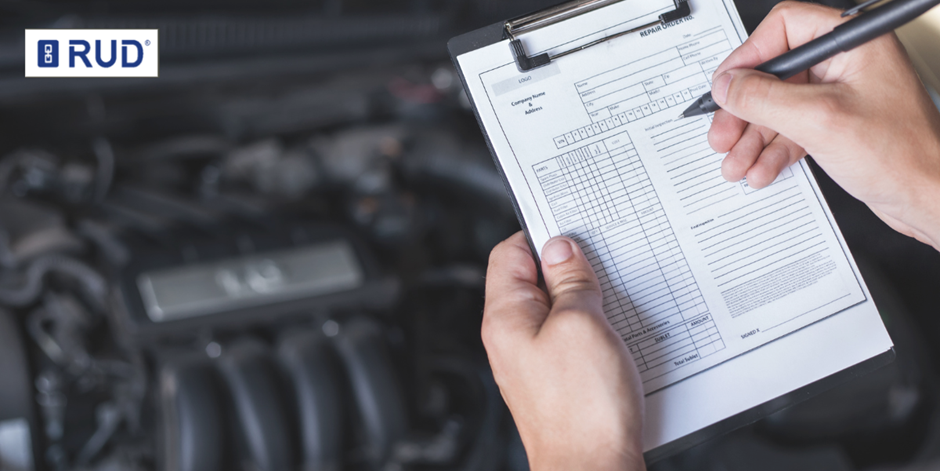
- Simple checklist templates: Keep it basic with a one-page checklist that fits in your pocket. Include the five main items we covered earlier, plus space for signatures and dates. Bonus points if it takes under five minutes, because that way they’ll actually do it.
- Team accountability: Getting workers to check each other’s chains before big lifts will create a safety net. So, try putting up a board near your equipment where everyone can see the daily inspection results. The reason for doing this is that people tend to do better work when they know their teammates will see it.
- When to replace vs repair: If you can measure the damage with tools, it might be fixable, but there are strict rules about this. Things like bent links, deep rust holes, or chains that have stretched more than 20% need replacing immediately. Light scratches might clean off fine, but if you’re not sure, it’s better to take the chain out of service.
- Professional inspection services: Certified experts can inspect your chains once a year and catch problems that daily checks might miss. We have special tools and training to spot issues that are just starting to develop.
Time to Protect Your Team with Proper Inspections
If lifting chains are part of your daily work, then safety checks should be part of your routine too. Save this page or pass it along to your team so everyone knows what to look for.
And if you’re on the hunt for a reliable professional inspection, RUD Chains can test and check your equipment thoroughly. Our services meet Australian standards, and our trained experts are always welcoming to answer all your questions.


