How to Choose the Best Aluminum Doors and Windows
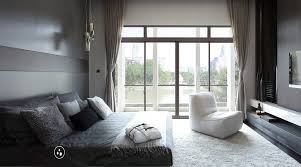
In modern construction and interior design, the choice of doors and windows goes beyond aesthetics. These essential elements define the character of a building, influence energy efficiency, and affect the overall safety of occupants. Among the many materials available, aluminum doors and windows stand out as one of the most reliable and versatile solutions for residential, commercial, and industrial projects.
If you are an architect, contractor, or property developer, choosing the right system can be challenging. This guide will walk you through the advantages, design considerations, and key selection tips to ensure your investment delivers both performance and long-lasting value.
Why Aluminum Doors and Windows Are in High Demand
The popularity of aluminum in the construction sector has skyrocketed over the last few decades. Let’s explore why professionals and end users prefer aluminum over traditional options such as wood or steel.
1. Durability That Lasts Decades
Aluminum is naturally resistant to corrosion, warping, and weather damage. Unlike wood, it doesn’t swell during humid conditions, and unlike steel, it doesn’t rust easily. With proper finishes, aluminum doors and windows can last 30–40 years with minimal maintenance.
2. Modern, Sleek Aesthetics
One of the biggest appeals of aluminum is its slim profile and clean lines. Architects can design larger glass panes with thinner frames, creating a modern, open feel that maximizes natural light.
3. Energy Efficiency and Insulation
Advanced aluminum systems now feature thermal breaks—barriers within the frame that reduce heat transfer. This innovation means buildings stay cooler in summer and warmer in winter, cutting energy costs significantly.
4. Strength for Large Openings
Aluminum’s structural strength allows for larger windows, sliding doors, and curtain walls without compromising safety. This makes it an ideal choice for high-rise buildings, shopping complexes, and office spaces.
5. Sustainability and Recycling
Aluminum is 100% recyclable without losing its quality. For eco-conscious businesses, this makes aluminum an environmentally responsible choice.
Key Types of Aluminum Systems
When exploring aluminum solutions, it’s important to understand the different product categories available in the market.
Aluminum Doors
Sliding Doors: Smooth and space-saving, perfect for balconies, patios, and office partitions.
Swing Doors: Traditional hinged systems offering strength and stability.
Automatic Doors: Ideal for commercial entrances requiring convenience and high traffic capacity.
Aluminum Windows
Casement Windows: Open outward, offering great ventilation.
Sliding Windows: Compact and user-friendly, often used in residential apartments.
Tilt and Turn Windows: Multifunctional, offering both top ventilation and side opening.
Curtain Walls
Curtain walls are non-structural exterior coverings that resist air and water infiltration. They allow buildings to showcase glass facades supported by aluminum frames.
Partitions
Aluminum partitions are widely used in offices, hotels, and commercial facilities. They provide flexible, lightweight solutions for dividing spaces while maintaining a modern design.
How to Choose the Right Aluminum Doors and Windows
Now that we understand the benefits and types, let’s break down the selection process into practical steps.
1. Define the Purpose
Ask yourself:
Is it for a residential villa, a high-rise commercial tower, or an office renovation?
Do you need maximum light, maximum strength, or maximum insulation?
Your project type will determine whether you should prioritize energy efficiency, aesthetics, or cost savings.
2. Consider the Location
Climate conditions play a huge role. For example:
In hot climates, look for thermal break technology to minimize heat gain.
In rainy regions, prioritize water-tightness and anti-corrosion finishes.
In urban environments, sound insulation may be essential.
3. Check Quality Standards
Not all aluminum products are made the same. Always verify certifications such as:
ISO quality management standards
CE compliance (for European markets)
ASTM standards (for structural performance)
4. Pay Attention to Hardware
The performance of a door or window depends not just on the frame, but also on locks, hinges, handles, and rollers. Choose hardware that matches the strength of the frame for durability and security.
5. Select the Right Finish
Aluminum systems come in powder-coated finishes, anodized surfaces, and wood-grain laminates. This allows you to match the frames with your design theme—whether minimalistic modern or classic traditional.
6. Choose a Trusted Supplier
The supplier you choose will determine the reliability of your investment. Look for companies with experience, proven projects, and a reputation for quality manufacturing. For example, aprodoor.com offers a wide range of aluminum doors, windows, curtain walls, and partitions tailored for B2B clients.
Tips for Maintaining Aluminum Systems
Even though aluminum requires less maintenance compared to other materials, following a few simple steps can extend its lifespan even further:
Regular Cleaning: Wipe frames with mild soap and water every few months to remove dust and pollutants.
Lubricate Moving Parts: Apply silicone-based lubricants on rollers and hinges annually.
Check Seals and Gaskets: Inspect weather seals to ensure insulation remains effective.
Avoid Harsh Chemicals: Do not use abrasive cleaners that can damage powder coatings.
Why Businesses Prefer Aluminum for Large Projects
For large-scale commercial or industrial projects, aluminum offers several business advantages:
Cost Efficiency: Lower maintenance costs reduce lifetime expenses.
Flexibility: Supports a variety of architectural designs.
Speed of Installation: Prefabricated aluminum systems reduce construction timelines.
Safety and Security: High resistance to wind loads, impact, and fire ratings when combined with glass.
Whether you’re building a luxury hotel, office tower, shopping mall, or factory facility, aluminum provides a perfect balance of strength and elegance.
Future Trends in Aluminum Doors and Windows
As the construction industry evolves, aluminum continues to adapt with innovations such as:
Smart Integration: Automated opening systems with sensors and IoT connectivity.
Energy-Efficient Glass Pairings: Low-E and double-glazed units with aluminum frames.
Acoustic Solutions: Advanced designs for noise reduction in urban areas.
Custom Colors & Finishes: Expanding design possibilities for architects.
Forward-thinking suppliers like APRO door and window are staying ahead by investing in research and offering tailored solutions for modern building challenges.
Final Thoughts
Choosing the right aluminum doors and windows is a decision that impacts your project’s aesthetics, functionality, and long-term cost savings. By considering durability, energy efficiency, finishes, and supplier reputation, you can ensure a solid investment.
For professionals looking for high-quality aluminum systems for doors, windows, curtain walls, and partitions, trusted suppliers such as aprodoor.com can deliver tailored solutions that meet global standards.
Aluminum is not just a construction material—it is the foundation of modern architecture. Making the right choice today ensures that your buildings stand strong, efficient, and visually stunning for decades to come.