Mobile Home Rehousing A Smart Solution for Affordable and Flexible Living
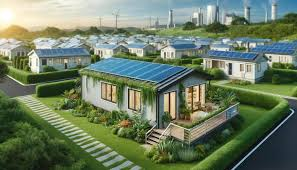
As housing needs continue to evolve, people are exploring more practical and cost-effective ways to find comfortable living spaces. One solution gaining attention is mobile home rehousing. Instead of building from scratch or investing heavily in new construction, rehousing offers a way to relocate and reuse existing mobile homes efficiently.
Mobile home rehousing is not just about moving a structure—it’s about creating new opportunities for homeowners, communities, and the environment. With rising housing costs and increasing demand for flexible living options, this approach provides a smart and sustainable alternative.
What Is Mobile Home Rehousing?
Mobile home rehousing involves relocating an existing mobile home from one location to another. This can be done for various reasons, such as finding a better living environment, repurposing land, or making use of an available structure in a new setting.
Rather than demolishing or abandoning a mobile home, rehousing allows it to be reused. This process extends the life of the structure and provides a practical solution for those seeking affordable housing.
In many cases, rehousing includes transportation, setup, and preparation of the new site, ensuring that the home is ready for use once it arrives.
Why Rehousing Is Becoming More Popular
One of the main reasons for the growing popularity of mobile home rehousing is affordability. Traditional housing options can be expensive, making it difficult for many people to find suitable living arrangements.
Rehousing offers a more budget-friendly alternative. By reusing an existing structure, homeowners can avoid many of the costs associated with new construction.
Flexibility is another key factor. Mobile homes can be relocated to different areas, allowing individuals to choose locations that better suit their needs, whether it’s closer to work, family, or preferred amenities.
Additionally, rehousing supports sustainability. Instead of contributing to waste through demolition, this approach promotes reuse and reduces environmental impact.
Benefits of Mobile Home Rehousing
Mobile home rehousing provides several advantages that make it an attractive option.
Cost savings are one of the most significant benefits. Relocating an existing home is often more affordable than purchasing or building a new one.
Time efficiency is another advantage. The process of moving and setting up a mobile home is generally quicker than constructing a new property from the ground up.
Environmental responsibility also plays a role. By reusing materials and structures, rehousing helps reduce construction waste and conserve resources.
Another benefit is accessibility. Rehousing can provide housing solutions for individuals and families who may not have access to traditional homeownership options.
The Mobile Home Rehousing Process
Understanding the process can help homeowners feel more confident about choosing this option.
The first step is assessment. Professionals evaluate the condition of the mobile home to determine whether it is suitable for relocation. This includes checking structural integrity and identifying any necessary repairs.
Next comes planning. This involves selecting a new location, obtaining permits, and preparing the site for installation.
Transportation is a critical step in the process. Specialised equipment is used to safely move the mobile home to its new location.
Once the home arrives, it is set up and connected to utilities such as water, electricity, and sewage systems. Final inspections ensure that everything is in proper working order.
Working with experienced professionals helps ensure that each step is completed safely and efficiently.
Challenges to Consider
While mobile home rehousing offers many benefits, there are some challenges to keep in mind.
One common challenge is transportation logistics. Moving a mobile home requires careful planning and specialised equipment, especially if the distance is significant.
Regulations and permits can also vary depending on the location. It is important to understand local requirements before beginning the process.
Site preparation is another important factor. The new location must be properly prepared to accommodate the mobile home, including foundation work and utility connections.
Despite these challenges, proper planning and professional support can help ensure a successful outcome.
Who Can Benefit from Mobile Home Rehousing?
Mobile home rehousing is a versatile solution that can benefit a wide range of individuals and organisations.
Homeowners looking to relocate can use rehousing as a cost-effective way to move their property. This is particularly useful for those who want to keep their existing home while changing locations.
Property developers can also benefit by repurposing mobile homes for new projects or communities.
Investors may find rehousing an attractive option for creating affordable housing solutions or rental opportunities.
Additionally, communities can use rehousing to address housing shortages and provide options for residents in need.
How to Choose the Right Rehousing Service
Selecting a reliable service provider is essential for a smooth and successful rehousing process.
Experience is one of the most important factors to consider. A company with a proven track record is more likely to handle the process efficiently and safely.
Licensing and insurance are also critical. These ensure that the service provider meets legal requirements and provides protection during the relocation process.
Customer reviews and testimonials can offer valuable insights into the quality of service. Positive feedback indicates reliability and professionalism.
Clear communication is another key factor. Working with a team that keeps you informed at every stage helps build trust and ensures that expectations are met.
Why Mobilerehome Is a Valuable Resource
For those considering mobile home rehousing, mobilerehome.com provides valuable information and solutions tailored to this growing need. By focusing on efficient relocation and practical housing options, it helps individuals and businesses explore the benefits of rehousing.
Having access to reliable guidance can make a significant difference, especially for those new to the process. With the right support, rehousing can become a straightforward and rewarding experience.
The Future of Mobile Home Rehousing
As housing demands continue to evolve, mobile home rehousing is expected to play an increasingly important role. Rising costs, limited space, and environmental concerns are driving interest in alternative housing solutions.
Advancements in transportation technology and construction methods are making the rehousing process more efficient and accessible. This opens up new possibilities for individuals and communities alike.
Sustainability will also continue to be a key focus. Rehousing aligns with the growing emphasis on reducing waste and promoting responsible use of resources.
Final Thoughts
Mobile home rehousing is more than just a practical solution—it is a forward-thinking approach to modern living. By relocating and reusing existing structures, individuals can save money, reduce environmental impact, and create flexible housing options.
While the process requires careful planning and professional expertise, the benefits make it a worthwhile investment. From affordability to sustainability, rehousing offers a compelling alternative to traditional housing methods.
As more people recognise its potential, mobile home rehousing is set to become an essential part of the future housing landscape, providing opportunities for smarter, more efficient living.