Why Hair Loss Happens in Men and the Treatments That Can Help
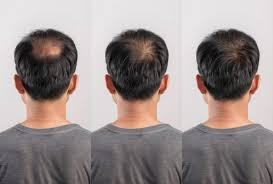
Losing hair is more than a physical change; it can affect your confidence, how you present yourself at work, and your dating or social life. Many men notice thinning hair or a receding hairline and feel unsure about what to do next. You are not alone, and there are proven options to slow or reverse certain types of hair loss when used correctly and consistently. For straightforward guidance on starting care, consider professional pathways like the hair loss treatment for men options available through licensed telehealth services.
In this blog, we’ll map out how hair loss shows up, what causes it, how doctors diagnose it, the treatments that work best for men, and practical steps you can take right now to protect and improve your hair.
How Hair Loss Usually Presents In Men
Men typically show specific patterns of hair loss rather than random shedding. The most common pattern is thinning at the temples and crown, which may progress slowly over the years. Other patterns include sudden patchy hair loss or widespread shedding after a triggering event. Recognizing the pattern helps pick the right treatment.
Common Types At A Glance
- Androgenetic Alopecia (Male-Pattern Baldness): Gradual thinning at the hairline and crown.
- Telogen Effluvium: Diffuse shedding that follows stress, illness, or significant life changes.
- Alopecia Areata: Sudden, round patches of baldness caused by immune system activity.
These categories guide both diagnosis and therapy choices.
What Causes Male Hair Loss
At its core, hair loss in men is usually driven by genetics and hormones, but lifestyle and medical triggers matter too.
- DHT and Genetics: Dihydrotestosterone (DHT) binds to receptors in scalp hair follicles and shrinks susceptible follicles over time, producing the classic male-pattern thinning. Genetic sensitivity to DHT is the main driver of androgenetic alopecia.
- Post-Stress Shedding: Physical or emotional stress can push many follicles into a resting phase, causing noticeable shedding a few months later (telogen effluvium).
- Nutritional or Medical Factors: Low iron, thyroid disorders, certain medications, and scalp inflammation can all contribute. Testing helps rule these out.
How Doctors Diagnose Hair Loss
A proper diagnosis usually includes history, scalp exam, and simple tests:
- Medical history and medication review.
- Close scalp exam and photos to track progression.
- Dermoscopy (magnified scalp view) to check follicle miniaturization or broken hairs.
- Blood tests for thyroid function, iron status, and other possible causes.
- Scalp biopsy in unclear cases.
Accurate diagnosis steers effective treatment plans and avoids wasted time on the wrong approach.
Proven Treatments For Men: What Works, How Fast, And What To Expect
Below are widely used treatments, grouped by their mechanism of action and target.
Medical Treatments (Topical and Oral)
- Topical Minoxidil: Over-the-counter solution or foam applied to the scalp. It widens blood vessels, may prolong the growth phase of hair, and can thicken hair shafts with continued use over months. Plan for at least 4–6 months to see measurable change. Side effects: scalp irritation, unwanted facial hair in rare cases.
- Oral Finasteride: A Prescription pill that blocks 5-alpha-reductase, lowering scalp DHT and slowing or reversing follicle miniaturization in many men. Results typically appear after 3–6 months, and benefits persist only as long as you continue the drug. Watch for possible sexual side effects in a minority of users; discuss risks with a doctor.
- Combination Therapy: Using finasteride and minoxidil together often gives better outcomes than either alone for androgenetic alopecia, because the drugs address different mechanisms.
Clinic Procedures
- Platelet-Rich Plasma (PRP): Injected growth-factor concentrate from your own blood. It can stimulate follicles and improve hair thickness after multiple sessions.
- Microneedling: Tiny needles create controlled micro-injuries that, combined with topical agents, can boost response.
- Low-Level Laser Therapy (LLLT): Devices that use light to stimulate follicles; beneficial as adjunct therapy.
- Surgical Hair Transplant (FUE): Follicular Unit Extraction moves healthy donor follicles to thinning areas. It gives permanent coverage but requires a skilled surgeon and recovery time.
Cosmetic and Supportive Options
- Scalp Micropigmentation: Tattoo-like dots to create the visual appearance of density.
- Medical Shampoos and Topical Agents: Support scalp health and reduce inflammation; they complement main treatments.
When choosing a procedure, consider the stage of loss, cost, recovery time, and how private you want the process to be.
Quick Treatment Comparison
- Minoxidil: OTC; topical; 4–6 months; mild scalp irritation.
- Finasteride: Rx; oral; 3–6 months; lowers DHT; monitor side effects.
- PRP: Clinic procedure; multiple sessions; variable results; low systemic risk.
- FUE Transplant: Permanent coverage; one-off surgery; higher cost; natural-looking results when done well.
- LLLT & Microneedling: Best as add-ons; minimal downtime.
These notes help you match time, budget, and privacy needs with likely outcomes.
Practical Steps You Can Start Today
- Take clear photos of your hair from several angles to track change.
- Book an appointment with a dermatologist or a licensed provider for a focused assessment. Telehealth options let you get discreet advice without a clinic visit.
- Have basic blood work (thyroid, iron, CBC) if your doctor recommends it.
- Avoid tight hairstyles, excessive heat, and harsh chemical treatments.
- Consider lifestyle adjustments: reduce smoking, manage stress, and eat a balanced diet with protein, iron, zinc, and B vitamins.
When To See A Doctor Right Away
Make an appointment if you have:
- Rapid, patchy hair loss or sudden bald spots.
- Scalp pain, pus, or bleeding.
- Hair shedding that suddenly exceeds your expected pattern and doesn’t settle after a few months.
These signs indicate conditions that require prompt medical attention.
Choosing Care In The Philippines
You live in an urban center with access to clinics, but privacy, cost, and convenience matter. Look for:
- Licensed dermatologists or accredited hair clinics.
- Transparent pricing and clear before/after photos from the clinic.
- Telemedicine options that let you start with a private online assessment and, if appropriate, prescriptions. Services that connect you with licensed doctors can be a discreet first step.
Quick Takeaway
Male hair loss has clear causes and proven treatments. Early diagnosis improves results. If you want to act without an in-person visit, start with a confidential online assessment or book a dermatologist consult to choose a plan that fits your goals, timeline, and privacy needs. For a guided starting point, explore licensed telehealth options that help match you with appropriate care.